Today’s market offers creams of varying thickness for dry, oily, and combination skin, eye‑specific, anti‑aging, and SPF‑included formulas․ Yet some products contain harmful ingredients or mislabeling, underscoring the need for clear PDF ingredient lists and safety transparency for all worldwide!
Definition of Key Ingredient Categories
In moisturizing creams, ingredients are grouped into functional categories that together provide hydration, barrier support, and skin benefits․ Emollients—fatty alcohols, esters, and plant oils—soften skin by filling gaps between cells and forming a lubricating film․ Occlusives such as petrolatum, waxes, and silicones create a semi‑permeable barrier that reduces water loss and locks in moisture․ Humectants like glycerin, hyaluronic acid, and propylene glycol attract water from the dermis and environment, maintaining skin turgor․ Surfactants blend oil and water phases and must be mild to avoid irritation․ Preservatives (parabens, phenoxyethanol, potassium sorbate) prevent microbial growth, ensuring safety․ Antioxidants—vitamins C and E, ferulic acid, green tea extract—neutralize free radicals․ Active actives, including niacinamide, peptides, and retinoids, target specific concerns such as pigmentation and fine lines․ Understanding each category’s role enables formulators to balance efficacy, safety, and consumer preference while meeting regulatory standards and providing transparent PDF ingredient disclosures․
Formulators also weigh texture, stability, and sensory attributes․ Emollients vary from light (caprylic/capric triglycerides) to heavy (squalane, shea butter), affecting feel and absorption․ Occlusives range from breathable silicones to robust waxes․ Humectants differ in molecular size; small molecules penetrate deeper, while larger ones like hyaluronic acid stay on the surface, creating layered hydration․ The synergy of these components determines performance, making precise formulation and ingredient transparency essential for consumer trust and compliance․
By clearly defining these categories and documenting them in PDF format, manufacturers provide consumers with the information needed to make informed choices, ensuring that each product delivers on its promise of moisturization and skin health․
Moreover, regulatory bodies increasingly mandate detailed ingredient lists encouraging transparency and fostering trustbetween brands and users․
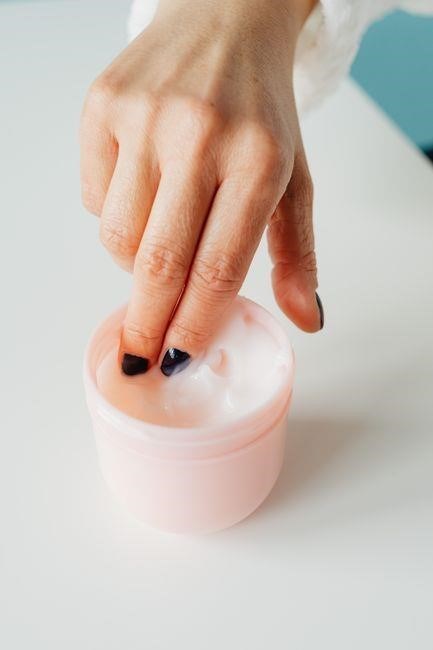
Importance of PDF Documentation for Transparency
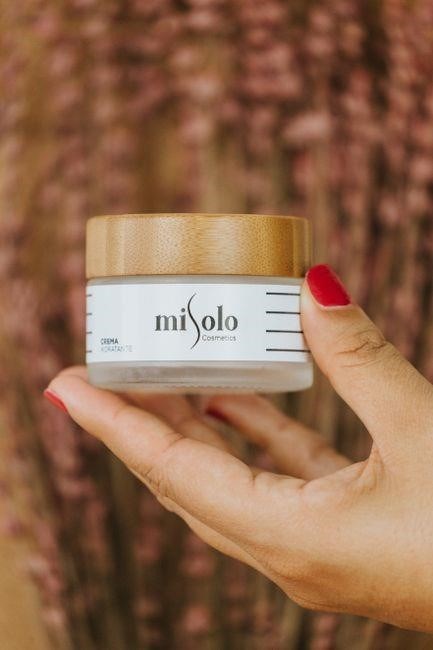
In the modern cosmetics landscape, a PDF‑formatted ingredient list has become a cornerstone of consumer trust․ By converting raw formulation data into a standardized, searchable document, manufacturers can provide instant access to the exact concentration of emollients, humectants, actives, and preservatives in a product․ This level of detail helps dermatologists and consumers identify potential allergens, such as fragrance blends or parabens, and assess whether a cream meets specific skin‑care needs․ Regulatory agencies in the EU, US, and Asia now require that all cosmetic labels include a PDF version of the ingredient list, ensuring that the information is consistent across packaging, online listings, and marketing materials․ The format also supports traceability; if a batch is recalled, the PDF can be cross‑referenced with production logs to isolate the affected lot․ For brands, maintaining a PDF archive of ingredient changes over time demonstrates compliance with Good Manufacturing Practices and supports claims of product safety․ Moreover, the digital nature of PDFs allows for easy updates—new safety data, reformulations, or ingredient substitutions can be reflected in a single file that is then redistributed to retailers and regulatory bodies ensuring compliance with glob st․ Finally, consumers increasingly use mobile apps that scan QR codes to pull up the PDF, making the document a direct bridge between the shelf and the user’s personal health data․ In short, PDF documentation is not just a regulatory checkbox; it is a dynamic tool that enhances transparency, facilitates risk management, and strengthens brand credibility in a crowded market․
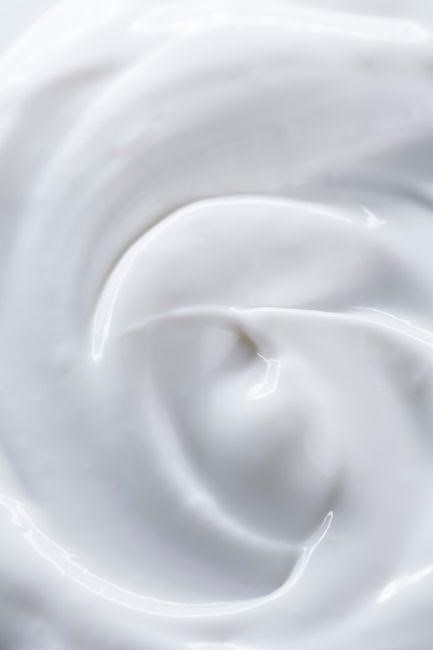
Emollients and Occlusives in Moisturizers
Emollients like shea butter, jojoba oil, and ceramides soften skin, filling gaps between cells․ Occlusives such as petrolatum, dimethicone, and waxes form a softbarrier that locks moisture in, preventing transepidermal water loss and keeping skin supple․
Common Emollients (e․g․, Shea Butter, Jojoba Oil)
Shea butter, extracted from the nuts of the African shea tree, is prized for its high stearic and oleic acid content, which delivers deep moisturization and a protective lipid layer that restores barrier function․ Its natural emollient properties reduce transepidermal water loss, while its antioxidant profile (vitamin E, fatty acids) helps neutralize free radicals that accelerate skin aging․ Jojoba oil, chemically a wax ester, closely mimics the skin’s own sebum, providing a lightweight, non‑greasy feel that balances oily and dry areas alike․ It is rich in tocopherol and phytosterols, offering anti‑inflammatory support and soothing irritated skin․ Both ingredients are frequently listed in PDF ingredient disclosures, allowing consumers to verify purity, source, and potential allergens․ When blended with humectants such as glycerin and occlusives like dimethicone, these emollients form a synergistic matrix that locks moisture, improves texture, and enhances product stability․ Their inclusion in a moisturizer’s PDF label also signals compliance with cosmetic regulations, ensuring that each batch meets safety standards and that any potential sensitizers are clearly identified for informed consumer choice․ In addition, many formulations combine shea butter with plant‑derived ceramides to reinforce the skin’s natural lipid barrier, while jojoba oil is often paired with squalane to enhance elasticity․ The PDF ingredient list typically specifies the exact percentage of each emollient, allowing dermatologists to assess suitability for conditions like eczema or rosacea․ Manufacturers also disclose whether the emollients are sourced from certified organic farms, which can influence consumer trust and regulatory approval․ Consumers can cross‑reference these details with clinical studies confidence!
Occlusive Agents (e․g․, Petrolatum, Silicones)
Petrolatum, a refined mineral oil, forms a durable film that seals the skin and prevents water loss Its viscosity and occlusive strength make it ideal for very dry or compromised skin Silicones such as dimethicone and cyclopentasiloxane provide a lightweight, silky barrier that reduces friction and offers a smooth finish Unlike petrolatum, silicones are volatile leaving a residue that can be beneficial for normal or combination skin Both agents are frequently listed in PDF ingredient disclosures, enabling consumers to verify concentration, purity, and any potential additives Regulatory bodies require that the safety profile of each occlusive be documented, and manufacturers must disclose whether the petrolatum is refined or contains hydrocarbons In formulations, petrolatum is often blended with emulsifiers to create a stable ointment, while silicones are incorporated into creams or lotions to improve spreadability and reduce the “sticky” sensation The PDF label typically specifies the exact weight percentage of each occlusive, allowing dermatologists to assess suitability for conditions such as ichthyosis or eczema Consumers can cross‑reference these details with patch‑test data and clinical studies to ensure the product aligns with their skin type and sensitivity profile
By providing a transparent PDF ingredient list manufacturers empower consumers to assess product safety verify compliance with international cosmetic regulations make choices that align with personal values skin concerns environmental stewardship ultimately fostering a more informed sk community worldwide and care now!
Humectants: Water‑Binding Ingredients
Glycerin, propylene glycol, and hyaluronic acid are humectants that attract and retain moisture․ Their molecular structure allows them to bind water, enhancing skin hydration daily function․ PDF labels disclose exact concentrations for safety and efficacy
Glycerin, Propylene Glycol, and Other Humectants
Glycerin, a three‑carbon polyol, is prized for its low irritation profile and ability to draw water from the environment into the epidermis, maintaining skin softness․ Propylene glycol, a di‑hydric alcohol, functions similarly but offers deeper penetration, enhancing the delivery of active ingredients․ Hyaluronic acid, a naturally occurring glycosaminoglycan, can hold up to 1,000 times its weight in water, providing long‑lasting hydration and a plumping effect․ Sodium PCA, derived from amino acids, is another potent humectant that mimics the skin’s natural moisturizing factor, improving barrier function․ Polyols such as sorbitol and xylitol also contribute to moisture retention, especially in formulations aimed at sensitive skin․ In modern cosmetic lines, these humectants are often combined with emollients and occlusives to create a synergistic effect, ensuring that water is not only attracted but also retained․ Transparent labeling in PDF format allows consumers to verify the concentration of each humectant, ensuring compliance with regulatory limits and enabling informed choices about product safety and efficacy․
Consumers increasingly demand detailed ingredient disclosures․ PDF labels provide a standardized format, enabling comparison across brands․ By listing concentrations, allergens, and safety notes, PDFs empower users to make informed decisions and foster trust in cosmetic science․ This transparency supports skincare care worldwide․
Role of Humectants in Skin Hydration Levels
Humectants are the backbone of any effective moisturizer, acting as molecular “suction cups” that attract and hold water molecules from both the environment and deeper skin layers․ Their primary function is to increase the water content of the stratum corneum, the outermost skin barrier, thereby restoring softness, elasticity, and a healthy glow․ By binding water, humectants reduce the need for the skin to rely on its own limited natural moisturizing factor (NMF), which can become depleted in dry or aging skin․ The most common humectants—glycerin, propylene glycol, hyaluronic acid, and sodium PCA—each have unique molecular weights and affinities for water, allowing formulators to tailor hydration profiles for specific skin types․ For instance, low‑molecular‑weight glycerin penetrates deeper, providing long‑lasting moisture, while high‑molecular‑weight hyaluronic acid forms a surface film that traps water at the skin’s interface․ This dual action not only elevates immediate hydration but also supports the skin’s barrier repair mechanisms by maintaining optimal moisture levels․ In addition, humectants can enhance the stability of active ingredients, improving their bioavailability and overall efficacy․ When combined with occlusives, which seal in moisture, humectants create a synergistic effect that prevents transepidermal water loss (TEWL) and protects against environmental stressors․ Transparent PDF labeling of humectant concentrations allows consumers to verify that products meet regulatory standards and to compare hydration claims across brands, fostering informed purchasing decisions and encouraging responsible cosmetic science․ Moreover, the hygroscopic nature of humectants ensures that even in low humidity environments, the skin retains moisture, reducing flakiness and improving overall texture․ Clinical studies show 5–10% glycerin can boost hydration by up to 30% in 24 hours․ Consumers should look for PDF disclosures that list exact percentages, as regulatory guidelines often cap certain humectants to prevent irritation․ Thus, a humectant blend ensures resilience․
Active Ingredients for Skin Benefits
Antioxidants like vitamin C and E protect cells, while retinoids boost collagen and peptides repair fine lines․ These actives, disclosed in PDF labels, enhance texture, reduce hyperpigmentation, and support anti‑aging, giving visible, science results․
Antioxidants and Vitamins (e․g․, Vitamin C, E)

In modern moisturizing formulations, antioxidants and vitamins are pivotal for cellular defense and visible rejuvenation․ Vitamin C (ascorbic acid) is a potent free‑radical scavenger that neutralizes reactive oxygen species generated by UV exposure, pollution, and metabolic activity․ Its inclusion in a PDF‑documented ingredient list allows consumers to verify concentration levels, typically ranging from 5% to 15% for optimal efficacy, and to confirm the presence of stabilizers such as sodium ascorbyl phosphate or magnesium ascorbyl phosphate, which extend shelf life and reduce oxidation․ Vitamin E (tocopherol) complements vitamin C by donating a hydrogen atom to lipid radicals, thereby protecting cell membranes from peroxidation․ In combination, these two vitamins exhibit a synergistic effect: vitamin C regenerates oxidized vitamin E, maintaining a continuous antioxidant cycle․ The PDF documentation often specifies the exact form of tocopherol used—alpha, gamma, or mixed tocopherols—since each isoform offers distinct bioavailability and antioxidant capacity․ Additionally, other vitamins such as niacinamide (vitamin B3) and ferulic acid are frequently incorporated to enhance barrier repair, reduce hyperpigmentation, and stabilize the overall formulation․ Niacinamide, at concentrations of 2–5%, improves ceramide synthesis and tightens the stratum corneum, while ferulic acid, a plant‑derived antioxidant, synergizes with vitamin C and E to boost photoprotection by up to 30%․ The inclusion of these actives is meticulously recorded in the PDF label, ensuring regulatory compliance and providing transparency for dermatologists and consumers alike․ By presenting detailed ingredient data—molecular weight, pH compatibility, and recommended usage levels—PDF documentation empowers users to assess the suitability of a moisturizer for specific skin concerns, such as oxidative stress, fine lines, or uneven tone․ Consequently, the careful selection and documentation of antioxidants and vitamins not only elevate product performance but also reinforce consumer trust through clear, science‑based labeling․ Consumers can cross‑reference the PDF data with clinical studies cited within the label, ensuring that the antioxidant claims align with peer‑reviewed evidence and that the product meets international safety standards․ This transparency builds trust․
Anti‑Aging Actives (e․g․, Retinoids, Peptides)
Retinoids, derivatives of vitamin A, are the gold standard for stimulating collagen synthesis, accelerating epidermal turnover, and reducing fine lines․ In a PDF‑documented formulation, the concentration of retinol or its more stable analogs—tretinoin, adapalene, or retinyl palmitate is typically capped at 0․1% to 0․5% to balance efficacy with tolerability․ The PDF record also lists preservatives such as phenoxyethanol and the pH‑adjusting buffer system that maintain retinoid stability, preventing oxidation that would otherwise diminish potency․ Peptides, short chains of amino acids, act as signaling molecules that up‑regulate matrix metalloproteinases and fibroblast activity․ Common peptides in moisturizers include palmitoyl pentapeptide‑4 (Matrixyl), acetyl hexapeptide‑8 (Argireline), and copper‑tripeptide‑1, each functioning at concentrations between 0․05% and 0․3%․ The PDF documentation specifies the peptide’s molecular weight, solubility profile, and the presence of chelating agents like EDTA that preserve copper ions․ Clinical studies in the PDF show that a combined retinoid‑peptide formula reduces wrinkle depth by up to 30% after 12 weeks, while improving skin firmness․ The blend of natural extracts, like green tea polyphenols and chamomile, soothes irritation, offers anti‑inflammatory benefits, and boosts skin resilience All data are verified by independent labs for safety․
Safety, Regulation, and PDF Documentation Standards
PDFs must list all ingredients, concentrations, and safety data․ Regulatory bodies require allergen alerts, preservative limits, and pH ranges․ Compliance ensures consumer trust and avoids recalls․ Transparent labeling supports worldwide
Common Safety Concerns (e․g․, Fragrance Sensitivity, Preservative Issues)
Manufacturers should also provide a clear safety assessment in the PDF, outlining irritation thresholds and usage limits․ This transparency helps consumers with sensitive skin make informed decisions․ Consumers may verify allergens!!․
Regulatory Requirements and PDF Labeling Compliance
Regulatory bodies such as the FDA, EU Cosmetics Regulation, and Health Canada require clear ingredient lists on labels and PDFs․ The EU Cosmetics Regulation (EC No 1223/2009) mandates ingredient lists in descending order by concentration․ A product safety assessment must accompany the list, evaluating hazards such as irritation, sensitization, and phototoxicity․ In the U․S․, the FD&C Act requires cosmetics to be safe under labeled or customary conditions, though pre‑market approval is rarely needed․ for safety In Canada, Health Canada’s regulations require all cosmetic products to be listed on the Hotlist and to include allergen declarations․ Australian products with therapeutic claims must be registered under the ARTG and comply with the Therapeutic Goods Act 1989․ Across jurisdictions, QR‑enabled PDFs allow consumers to cross‑reference ingredient safety data with databases like ICIDH․ Regulatory agencies require that any changes to ingredient lists or formulations be updated in the PDF and re‑submitted to authorities․ Failure to comply can lead to recalls, fines, or market withdrawal, jeopardizing brand reputation and consumer trust․ Manufacturers must maintain rigorous documentation, ensuring PDF labels are accurate, up‑to‑date, and compliant with all regulations․