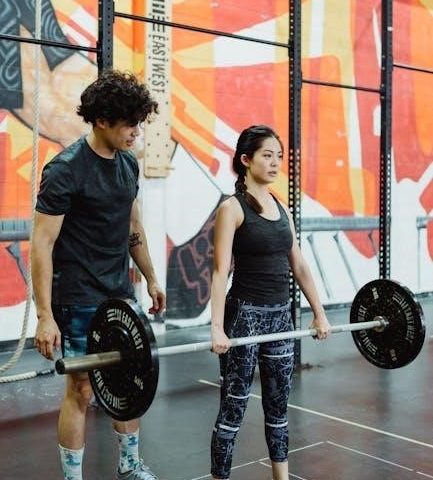
IT Band Exercises: A Comprehensive Guide
Discover effective strategies for managing IT band issues! This guide details exercises – foam rolling, stretching, and strengthening – to alleviate pain and improve performance․
Downloadable resources and expert advice are available to help you create a personalized IT band exercise plan․
Understanding the IT Band
The iliotibial (IT) band is a thick band of fibrous tissue that runs along the outside of your thigh, extending from the hip to just below the knee․ It’s not a muscle, but rather a reinforcement for the thigh muscles․
IT band issues typically aren’t caused by the band itself being tight, but rather by friction between the IT band and the underlying bone, or by imbalances in the surrounding muscles․ Repetitive motions, like running and cycling, can contribute to tightness and discomfort․
Understanding its function is key to effective exercise․ Strengthening hip abductors, like the gluteus medius, and improving flexibility in the hip flexors and hamstrings are crucial components of any IT band exercise program․ Proper form and gradual increases in training intensity are also vital for prevention․
What is the Iliotibial (IT) Band?
The iliotibial (IT) band is a strong, thick band of connective tissue that extends from the iliac crest (hip bone) to the tibia (shin bone), running along the outside of the thigh․ It’s crucial for stabilizing the knee during running and walking, and assists in hip abduction and extension․
It’s important to note the IT band isn’t a muscle; it’s a fibrous structure․ While you can’t directly “stretch” it, you can address tightness and discomfort by focusing on the muscles that attach to it – particularly the glutes, hip flexors, and quadriceps․
Understanding its anatomy is vital for targeted exercises․ Addressing muscle imbalances and improving flexibility around the hip and knee are key to preventing and managing IT band related pain․
Causes of IT Band Issues
IT band issues typically arise from overuse and repetitive movements, common in runners, cyclists, and athletes․ These activities can cause friction as the IT band rubs against the lateral femoral epicondyle (outer knee bone)․
Poor biomechanics and muscle imbalances are significant contributors․ Weak hip abductors (gluteus medius) and tight hip flexors can alter movement patterns, increasing stress on the IT band․ It develops after intense use or overuse, and sometimes due to poor form․
A sudden increase in training intensity without adequate preparation can also trigger problems․ Proper warm-up and gradual progression are essential preventative measures․ Addressing these underlying factors is crucial for effective management and rehabilitation․
IT Band Syndrome: Symptoms & Diagnosis
IT band syndrome presents as pain on the outer side of the knee, often radiating upwards along the thigh․ Pain typically worsens during activity, like running or cycling, and may subside with rest․ A snapping sensation can sometimes be felt․
Diagnosis usually involves a physical examination by a healthcare professional․ They will assess your range of motion, palpate the IT band for tenderness, and evaluate your biomechanics․

Imaging tests, such as X-rays or MRIs, are generally not needed to diagnose IT band syndrome, but may be used to rule out other conditions․ Early diagnosis and intervention are key to preventing chronic pain and returning to activity․

Warm-up and Preparation
Prioritize a dynamic warm-up before exercise! This increases blood flow, prepares muscles, and reduces injury risk, especially crucial for IT band health and flexibility․
Importance of Warming Up
A proper warm-up is absolutely essential before engaging in any activity that stresses the iliotibial (IT) band․ Warming up prepares your muscles for exertion, increasing blood flow and elasticity, which directly impacts IT band flexibility․
Skipping a warm-up can leave the IT band tight and vulnerable to strain․ A five to ten-minute warm-up should include dynamic stretches like leg swings, torso twists, and light cardio․
This gradual increase in activity prepares the muscles and connective tissues, minimizing the risk of injury and maximizing performance․ Remember, a warmed-up IT band is a more resilient IT band, ready to handle the demands of your workout!
Gradual Increase in Training Intensity
Sudden increases in training volume or intensity are a major contributor to IT band syndrome․ Your body needs time to adapt to new stresses; pushing too hard, too soon overwhelms the IT band and surrounding muscles․
Implement the “10% rule” – increase your mileage or workout intensity by no more than 10% per week․ This allows your tissues to strengthen gradually, reducing the risk of overuse injuries․
Listen to your body! Pain is a signal․ Don’t ignore it․ Rest and recovery are just as important as training․ A slow, progressive approach is key to long-term IT band health and sustained athletic performance․
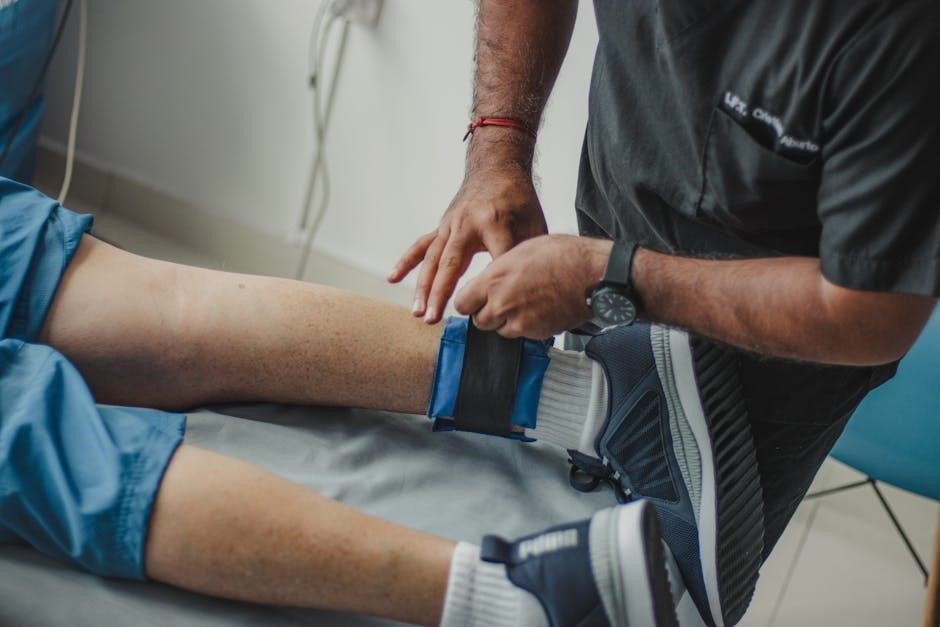
Effective IT Band Exercises
Targeted exercises can release tension, strengthen supporting muscles, and improve flexibility․ Foam rolling, stretching, and strengthening routines are crucial for IT band health․
Foam Rolling for IT Band Release
Foam rolling is a self-myofascial release technique that can help alleviate IT band tightness and discomfort․ Lie on your side with the foam roller positioned under your lower thigh, supporting your weight with your forearm and top leg․
Slowly roll from just above the knee to the hip, pausing on tender spots for 20-30 seconds․ This technique breaks up adhesions and improves blood flow․ Remember to maintain control and avoid rolling directly over the knee joint․
Consistent foam rolling can significantly reduce IT band pain and improve flexibility․ It’s a cornerstone of many IT band treatment plans, offering accessible relief and promoting recovery․ Focus on controlled movements and listen to your body․
Technique for Effective Foam Rolling
Begin by positioning yourself on your side, with the foam roller under the outside of your thigh․ Support your upper body with your forearm and the opposite leg․ Slowly roll from just above the knee towards the hip, maintaining a controlled pace․
When you encounter a tender spot, pause and hold for 20-30 seconds, breathing deeply․ Avoid rolling directly over the knee joint․ Focus on small, deliberate movements rather than large, sweeping rolls․ Proper form is crucial to avoid injury․
Remember to keep your core engaged and maintain a neutral spine throughout the exercise․ Consistency is key; aim for several passes along the IT band․ Listen to your body and stop if you experience sharp pain․
Hip Flexor Stretch
A tight hip flexor can contribute to IT band issues, making this stretch essential․ Begin in a kneeling position, with one leg forward in a 90-degree angle․ Gently lean forward, keeping your back straight and core engaged, until you feel a stretch in the front of your hip․
Maintain a slight tuck of your tailbone to enhance the stretch․ Hold the stretch for 30 seconds, breathing deeply․ Avoid arching your lower back․ Repeat on the other side․
This stretch helps restore proper hip alignment, reducing strain on the IT band․ Regularly incorporating this stretch into your routine can improve flexibility and prevent future problems․ Focus on a comfortable stretch, not pushing beyond your limits․
How to Perform a Hip Flexor Stretch
Start in a half-kneeling position, with your back knee on the ground and front knee bent at 90 degrees․ Ensure your front foot is flat on the floor, directly below your knee․ Maintain a neutral spine and engage your core muscles throughout the stretch․
Gently push your hips forward, feeling a stretch in the front of your hip on the kneeling leg․ Keep your chest lifted and avoid arching your lower back․ You can raise the same-side arm overhead to deepen the stretch․
Hold the stretch for 20-30 seconds, breathing deeply․ Repeat 2-3 times on each side․ Focus on feeling the stretch in the hip flexor, not in your lower back․
Clamshell Exercise
Lie on your side with your knees bent and stacked on top of each other, feet together․ Keep your hips stacked and your core engaged throughout the exercise․ This is crucial for isolating the correct muscles․
Maintaining contact between your feet, slowly lift your top knee away from the bottom knee, like opening a clamshell․ Avoid rotating your torso or letting your hips drop․ Focus on squeezing your glutes as you lift your knee․
Pause briefly at the top and then slowly lower your knee back to the starting position․ Perform 10-15 repetitions on each side․ Proper technique is vital to effectively strengthen the hip abductors and stabilize the IT band․
Proper Form for Clamshells
Maintaining correct form is paramount for maximizing the clamshell exercise’s benefits․ Ensure your feet remain together throughout the entire movement; separation indicates improper engagement․ Keep your hips stacked – avoid rolling backward or forward․ Engage your core to stabilize your spine and prevent unwanted rotation․
Focus on initiating the movement from your gluteus medius, not your lower back․ A common mistake is arching the back; consciously maintain a neutral spine․ The range of motion should be controlled; avoid forceful or jerky movements․
A physiotherapist can guide you to correct any form issues, ensuring optimal muscle activation․ Slow, deliberate repetitions are more effective than fast, sloppy ones․
Side Lying Hip Abduction
Side lying hip abduction effectively targets the gluteus medius, a crucial muscle for IT band stability․ Lie on your side with legs extended and stacked, maintaining a neutral spine․ Slowly lift your top leg, keeping your knee straight and foot flexed․ Avoid rotating your hip or leaning forward/backward․
Focus on feeling the contraction in your outer hip and gluteal muscles․ Control the movement both during the lift and the lowering phase․ Imagine leading with your heel to emphasize glute activation․
This exercise provides stability to the IT band, potentially alleviating knee pain․ Proper form is essential; a physical therapist can offer personalized guidance․
Focusing on Glute Activation
Maximizing glute engagement during side lying hip abduction is paramount for IT band support․ Visualize squeezing your gluteus medius at the peak of the leg lift․ Avoid relying on lower back muscles or hip flexors to drive the movement․ Think about pushing your heel towards the ceiling, rather than simply lifting your leg․

Maintaining a neutral spine throughout the exercise prevents compensation and ensures proper muscle activation․ Consciously contract your core to stabilize your pelvis․ Slow, controlled repetitions are more effective than quick, jerky movements․
Strengthening the glutes provides essential stability, reducing stress on the IT band and alleviating potential knee discomfort․
Figure-4 Stretch (Piriformis Stretch)
The Figure-4 stretch effectively targets the piriformis muscle, often contributing to IT band tightness; Lie on your back with knees bent and feet flat․ Cross your right ankle over your left knee, forming a “4” shape․ Gently pull your left thigh towards your chest, holding the stretch for 30 seconds․
For a deeper stretch, gently press down on your right knee․ Modifications include using a towel or strap to assist with pulling the thigh towards the chest if reach is limited․ Individuals with limited flexibility can keep the left foot on the floor․
Repeat on the opposite side․ This stretch helps release tension in the hip, indirectly easing IT band discomfort․
Modifications for Different Flexibility Levels
For beginners or those with limited flexibility, the Figure-4 stretch can be modified․ Instead of pulling the thigh directly towards the chest, focus on gently bringing the knee closer․ Utilize a towel or resistance band looped around the thigh to assist the pull, reducing strain․
Intermediate levels can progress to a deeper stretch by actively pressing the knee further towards the chest while maintaining a flat back․ Advanced individuals can increase intensity by slightly lifting the supporting leg off the floor․
Listen to your body and avoid pushing beyond a comfortable range of motion․ Consistency is key; regular, gentle stretching yields better results than infrequent, forceful attempts․

Strengthening Exercises
Strengthen key muscles – gluteus medius and hip abductors – with targeted exercises like single leg deadlifts and resistance band hip abductions for stability!
Gluteus Medius Strengthening
A strong gluteus medius is crucial for IT band health․ This muscle plays a vital role in hip abduction and pelvic stabilization, preventing excessive strain on the IT band during movement․ Weak hip abductors contribute to imbalances, increasing the risk of IT band syndrome․
Focusing on gluteus medius strengthening exercises helps restore proper biomechanics and alleviate knee pain․ Incorporate exercises like hip abduction with resistance bands, side-lying hip abduction, and single-leg deadlifts into your routine․ Prioritize proper form to maximize effectiveness and avoid injury․ Consistent strengthening builds support and reduces IT band irritation, promoting long-term recovery and preventing future issues․ Remember, a balanced approach is key!
Importance of Hip Abductors
Hip abductors, particularly the gluteus medius, are fundamental to IT band function and overall lower limb stability․ These muscles control leg movement away from the midline, preventing the hip from dropping during activities like running and walking․ Weakness in these muscles leads to compensatory movements, placing undue stress on the IT band․
Strengthening hip abductors helps maintain proper alignment, reducing friction and inflammation along the IT band․ They are essential for pelvic control, ensuring efficient force transfer and minimizing strain․ Neglecting these muscles can exacerbate IT band syndrome and hinder recovery․ Prioritize exercises targeting hip abduction to restore balance and support healthy movement patterns․
Hip Abduction with Resistance Band
Utilize a resistance band to effectively strengthen hip abductors! Secure the band around your ankles, or just above the knees, and stand with feet hip-width apart․ Slowly move one leg laterally, keeping your core engaged and maintaining a slight bend in your knee․
Focus on controlled movement, resisting the band’s pull throughout the exercise․ Perform 15-20 repetitions on each leg, completing 2-3 sets․ This exercise directly targets the gluteus medius, improving hip stability and reducing IT band stress․ Adjust band resistance to match your strength level, progressively increasing it as you gain strength․ Proper form is crucial to maximize benefits and prevent injury․
Single Leg Deadlifts
Enhance stability and strengthen posterior chain muscles with single leg deadlifts! Stand with feet hip-width apart, holding a light weight (optional)․ Hinge at the hips, extending one leg straight back while keeping your back flat and core engaged․
Lower the weight towards the ground, maintaining a neutral spine․ Focus on controlled movement and balance throughout the exercise․ Perform 10-12 repetitions on each leg, completing 2-3 sets․ This exercise improves hamstring and glute strength, crucial for IT band support․ Start with bodyweight only and gradually add weight as you progress․ Proper form prevents injury and maximizes effectiveness․

Stretching and Flexibility
Improve range of motion and reduce IT band tension! Incorporate IT band, hamstring, and quadriceps stretches into your routine for optimal flexibility and recovery․
IT Band Stretch Variations
Explore diverse stretches to target the IT band effectively․ While directly stretching the IT band itself is challenging due to its tough, fibrous nature, focusing on stretches that address surrounding muscles provides relief․
Consider a standing IT band stretch by crossing one leg behind the other and leaning towards the opposite side․ Another variation involves lying on your back, bringing one knee towards your chest, and gently pulling it across your body․
Remember to hold each stretch for 30 seconds, breathing deeply, and avoiding bouncing․ Prioritize stretches that target the hip flexors, glutes, and hamstrings, as tightness in these areas can contribute to IT band issues․ Consistent stretching, combined with strengthening exercises, is key to long-term IT band health․
Hamstring Stretching
Tight hamstrings significantly impact IT band function, increasing strain and discomfort․ Incorporating regular hamstring stretches is crucial for alleviating IT band syndrome symptoms and preventing recurrence․
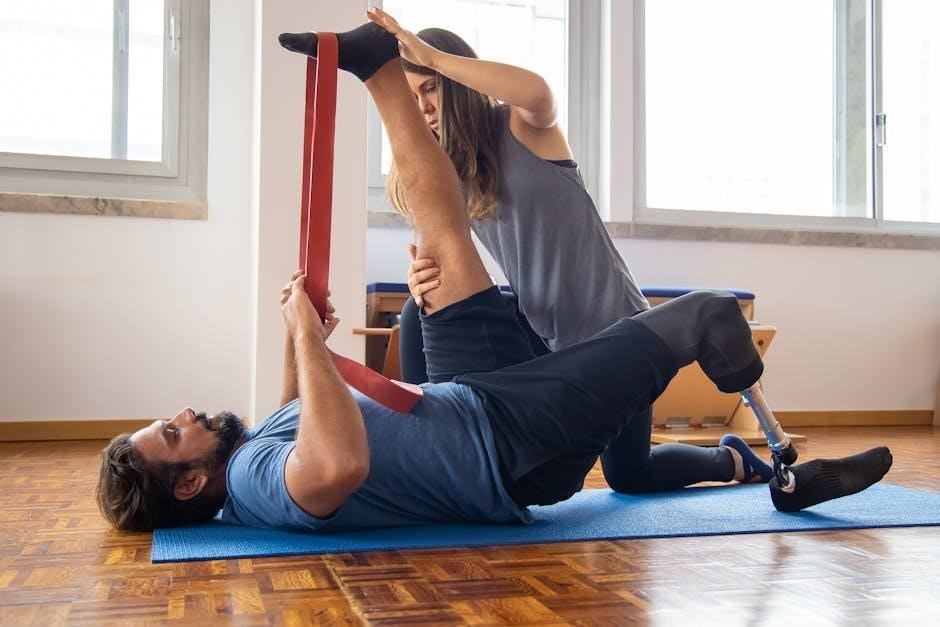
Try the towel hamstring stretch: Lie on your back, loop a towel around one foot, and gently pull your leg towards you, keeping your knee as straight as possible․ Alternatively, perform seated hamstring stretches by extending one leg and reaching towards your toes․
Focus on maintaining a neutral spine and avoiding rounding your back during these stretches․ Hold each stretch for 30 seconds, repeating 2-3 times per leg․ Remember, consistent flexibility work complements strengthening exercises for optimal IT band health and injury prevention․
Quadriceps Stretching
Quadriceps tightness can contribute to altered biomechanics, exacerbating IT band issues․ Regularly stretching these muscles helps restore proper alignment and reduces stress on the IT band․
Perform a standing quadriceps stretch by holding onto a stable surface, grabbing your foot, and gently pulling your heel towards your glutes․ Another effective stretch is the lying quadriceps stretch, performed similarly while lying on your side․
Ensure you maintain good posture and avoid arching your back during the stretch; Hold each stretch for 30 seconds, repeating 2-3 times per leg․ Combining quadriceps stretches with hamstring and IT band-specific exercises provides a holistic approach to addressing muscle imbalances and promoting optimal lower body function․

Preventative Measures
Prioritize cross-training, rest, and proper running form to minimize IT band stress․ Consider footwear adjustments and consistently strengthen hip abductors for lasting relief․
Cross-Training and Rest
Incorporating diverse activities is crucial for IT band health․ Repetitive motions, common in running and cycling, can exacerbate tightness․ Therefore, strategically schedule rest days to allow tissues to recover and rebuild․
Supplement your routine with low-impact exercises like swimming or yoga․ These modalities reduce stress on the IT band while maintaining overall fitness․
Consider stretching classes to enhance flexibility and strengthen supporting muscles․ Focus particularly on hip abductors, such as the gluteus medius, to improve stability and prevent future issues․ A balanced approach, combining activity and recovery, is key to long-term IT band wellness․
Proper Running Form
Efficient running mechanics significantly impact IT band stress․ Poor form often contributes to IT band syndrome, so focusing on technique is vital for prevention and recovery․
Maintain a neutral pelvis and avoid excessive hip adduction (knees collapsing inward)․ This minimizes strain on the IT band․
Shorten your stride length and increase your cadence (steps per minute)․ This reduces impact forces and promotes a more natural gait․ Consider a gait analysis by a professional to identify and correct any biomechanical imbalances․
Focus on landing midfoot rather than heel striking․ These adjustments can dramatically reduce IT band irritation and improve running efficiency․
Footwear Considerations
Proper footwear is crucial for mitigating IT band issues, offering support and cushioning․ Ill-fitting or worn-out shoes can exacerbate biomechanical problems contributing to IT band syndrome․
Ensure your shoes provide adequate arch support, matching your foot type․ Consider getting professionally fitted at a running specialty store to determine your pronation pattern (neutral, overpronation, or supination)․
Replace running shoes every 300-500 miles, or when the cushioning begins to break down․ Worn shoes lose their shock-absorbing capabilities, increasing stress on the IT band․ Experiment with different shoe types to find what feels most comfortable and supportive for your gait․

Resources and Further Information
Explore the Cleveland Clinic’s comprehensive resources on IT band syndrome for detailed insights and treatment options․ Learn more here!
Cleveland Clinic Resources on IT Band Syndrome
The Cleveland Clinic offers a wealth of information regarding Iliotibial (IT) band syndrome, a common ailment among runners and cyclists․ Their online resources detail the causes, symptoms, and diagnostic approaches to this often-painful condition․
You’ll find detailed explanations of preventative measures, including proper warm-up routines, gradual increases in training intensity, and the importance of cross-training․ The Clinic emphasizes the role of strengthening exercises, particularly those targeting the gluteus medius, and provides guidance on effective stretching techniques like hip flexor stretches and the figure-4 stretch․
Furthermore, the Cleveland Clinic highlights the benefits of foam rolling for IT band release and offers practical advice on selecting appropriate footwear․ Access their resources at https://cle․clinic/3iA7adS for a comprehensive understanding of IT band syndrome and its management․